
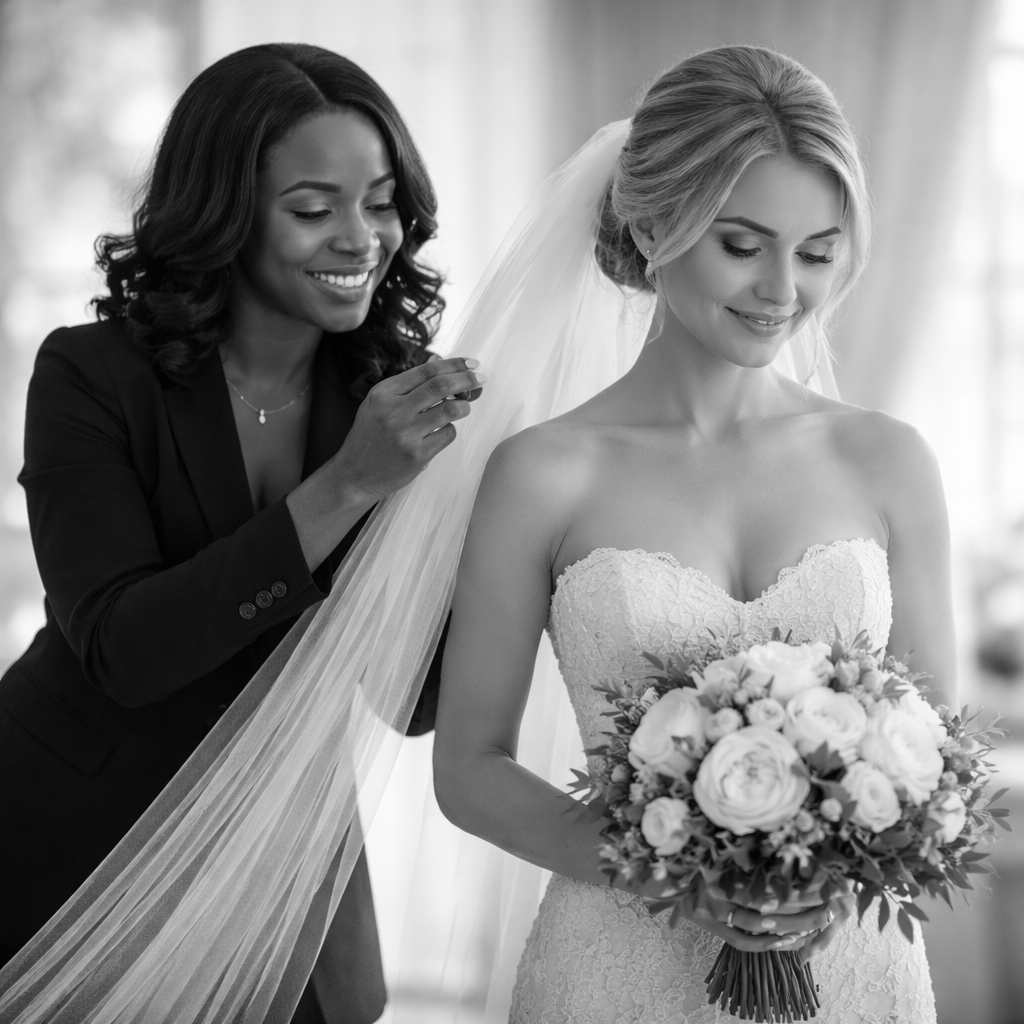
Make sure to surround yourself with a great team of vendors
Wedding planning can feel like a big, exciting task, but breaking it down into steps makes it manageable. From booking vendors to picking out your dress, here’s a breakdown from over 12 months before the big day leading up to the final preparations. We'll cover everything: the guest list, where to start, budgeting, and contingency tips for a smooth day. Let’s dive in!
When should I have everything done?
Short answer: the sooner you start the bigger items [venue, guest travel, and any vendor that requires a specific person (i.e. officiant, photographer, etc)]— but you can absolutely pull off a beautiful wedding on 12 months, 6 months, or even 6 weeks if you make tight, focused choices. Below is a practical, detailed plan you can follow (plus fast-track options), vendor lead-time guidance, a day-of timeline template, and useful checklists so you’ll know what to finish and when.
Big-picture milestones (what really matters)
Book the venue and date first. This shapes everything else. Venues can book out 12–24+ months for popular dates.
Lock in your top vendors next: photographer, officiant, caterer, and entertainment. These are high-demand items with limited availability.
Decide guest count early. Your headcount drives budget, venue size, and catering.
Set your budget and priorities up front. Know your “must-haves” vs “nice-to-haves.”
Plan logistics for guests who travel. Hotel blocks, travel info, and clear RSVP deadlines make life easier.
Detailed month-by-month timeline (for a 12-month engagement)
12+ months out
Announce engagement if you want.
Set a rough budget and list priorities.
Draft a rough guest list (helps with venue search).
Research and tour venues; book your favorite (deposit + contract).
Hire a wedding planner or day-of coordinator if you’ll use one.
Choose a wedding date (or a few backup dates).
Start thinking about style/theme and color palette.
Book your photographer/videographer (popular pros go fast).
Reserve the officiant (especially if they're local and busy).
9–11 months out
Book caterer, band/DJ, and florist (or confirm that venue provides).
If you’re having a band/DJ, agree on music styles and must-play lists.
Shop for wedding dress; if ordering, allow 6–9 months for delivery + alterations.
Reserve blocks of hotel rooms for out-of-town guests.
Send save-the-dates (especially for a destination wedding or many out-of-town guests).
Start researching invitations and stationery.
6–8 months out
Finalize guest list.
Order wedding dress (if you haven’t) and schedule fittings.
Book transportation (limo, shuttle, vintage car).
Hire hair/makeup artists; schedule trials for 1–3 months before the wedding.
Meet with the florist to finalize flower ideas and centerpiece budgets.
Book rentals if venue doesn’t provide tables/chairs/linens.
Buy or rent groom’s tux/suit.
4–5 months out
Order invitations (paper) — or finalize digital invite plan.
Finalize menu and cake tasting; place cake order.
Book ceremony musicians if separate from reception.
Create wedding website with logistics and gift registry.
Plan honeymoon and make travel bookings (passports, visas if needed).
2–3 months out
Send invitations (typically 8–10 weeks before the date).
Meet with officiant to discuss ceremony script, readings, and vows.
Confirm wardrobe fittings and schedule the final dress fitting.
Finalize seating plan outline and start thinking about place cards.
Create timeline for the wedding day (who does what, vendor arrival times).
Apply for marriage license (check local rules and timing; many places have windows like 30–90 days before).
1 month out
Chase RSVPs; confirm final guest count with caterer (usually 2–3 weeks notice required).
Confirm vendor arrival times, shot lists with photographer, music set lists with DJ/band.
Final seating chart and place cards.
Pack for honeymoon and finalize travel docs.
Create an emergency kit (list below).
Share the day-of timeline with vendors and wedding party.
1–2 weeks out
Reconfirm all vendors in writing: venue, photographer, DJ, florist, caterer.
Final payments due — prepare checks or online payments as needed.
Rehearsal and rehearsal dinner details (who speaks, who’s in the receiving line).
Delegate day-of tasks to a couple of reliable people (but keep the planner as point person).
Day before / day of
Rehearsal and rehearsal dinner.
Sleep, hydrate, eat well.
Let your planner handle logistics so you can focus on the moments.
Fast-track timelines (if you have less time)
6 months to go
Prioritize: venue, photographer, officiant, and caterer (or a venue that includes catering).
Consider weekday or off-season date to access great vendors at shorter notice.
Use local vendors who can be confirmed quickly.
Shorten planning decisions (choose from curated vendor lists instead of custom options).
Expect to pay rush fees for attire and expedited shipping.
3 months to go
Choose an all-inclusive venue/package (many hotels and event spaces offer fast packages).
Use a planner or wedding concierge to make quick decisions and call vendors directly.
Simplify: fewer decor elements, stream-lined menu, playlist instead of live band.
Send digital invites or simple printed invitations with RSVP via wedding website.
6 weeks or less
Consider elopement, courthouse, or micro-wedding with 20–50 guests.
Hire an experienced planner who specializes in short-notice weddings.
Focus on essentials: legal paperwork, meaningful ceremony, good photographer, and a good meal.
Vendor lead times & booking priority (practical guide)
Venue: book ASAP (12–24 months for peak dates).
Photographer/Videographer: 9–12+ months recommended for top pros.
Caterer: 6–12 months (or through venue).
Band/DJ: 6–12 months.
Officiant: 6 months or earlier if a specific person is desired.
Dress: order 6–9 months lead time minimum; off-the-rack options shorten this.
Florist: 4–8 months.
Hair/makeup artist: 3–6 months for preferred artists; trial 1–3 months before.
Rentals (tents, chairs): 3–6 months, earlier if in high season.
Stationery: save-the-dates 6–12 months, invitations 8–10 weeks before.
Budget allocation (common splits; adjust to your priorities)
Use these as starting points; reorder to match your priorities:
Venue + catering: 40–50%
Photography/videography: 10–15%
Attire (dress, suit, alterations): 5–10%
Music/entertainment: 5–10%
Flowers & decor: 5–10%
Officiant (professional): 5–10%
Stationery & invitations: 2–4%
Cake: 2–3%
Transportation, permits, license, gratuities: remaining %.
Month-of / Week-of checklist (detailed)
4 weeks out
Confirm final guest count.
Send final payments or tips and place in labelled envelopes (or prepare digital transfers).
Give vendor contact list and timeline to wedding party and immediate family.
2 weeks out
Finalize seating chart.
Confirm vows, readings, and music cues.
Prepare a timeline for hair/makeup and photos.
1 week out
Pick up wedding attire or confirm delivery.
Prepare wedding day emergency kit (below).
Map out vendor drop-off locations and parking.
Day before
Rehearsal, final vendor check, hydrate, early bedtime.
Sample day-of timeline (9–10 hour wedding day example)
8:00 AM — Vendor arrivals start (florist, rentals)
8:30 AM — Hair/makeup begins
10:30 AM — Photographer arrives for getting-ready shots
12:00 PM — Lunch/light snacks for wedding party
2:30 PM — First look / couple portraits (optional)
3:30 PM — Guests begin to arrive; ushers in place
4:00 PM — Ceremony begins (15-30 minutes)
4:30 PM — Cocktail hour (photos continue)
6:00 PM — Reception doors open; grand entrance
6:15 PM — Dinner service and toasts
8:00 PM — Dancing / party time
10:00 PM — Last song; sendoff
(Adjust times for local curfews, religious considerations, or sunrise/sunset)
Emergency kit (what your planner or maid of honor should carry)
Safety pins, sewing kit, double-sided tape
Extra pantyhose, stain remover wipes
Pain reliever, antacids, allergy meds
Band-aids, blister pads
Mini first-aid: antibacterial wipes, tweezers
Clear nail polish (to stop runs)
Tide pen, baby wipes
Extra earring backs, bobby pins, small hair spray
Snacks, water, breath mints
Common pitfalls & how to avoid them
Waiting too long for the venue. Fix: pick top 3 dates and tour quickly.
Underestimating timeline for attire. Fix: order earlier or budget for rush shipping.
Forgetting the marriage license timing. Fix: check local government website early — most counties require applying within a certain window.
No plan B for weather. Fix: have tent/indoor backup or rental umbrellas.
Not confirming vendor details in writing. Fix: get contracts, read cancellation policies, and confirm a week before.
Quick tips tailored to different wedding sizes
Micro wedding (under 50 guests): Prioritize an amazing meal and photographer; fewer rentals needed; often easier to book top vendors quickly.
Medium wedding (50–150): Focus on venue and flow; seating and logistics are important.
Large wedding (150+): Start 12–18 months out; book venue, catering, and accommodations early.
If you're feeling overwhelmed (do this now)
Make a short list of three non-negotiables (e.g., venue style, photographer, music).
Set a realistic budget number and a max guest count.
Book the venue and photographer first — the rest follows more easily.
Delegate: give 2–3 trusted people clear, small tasks (RSVPs, transport, vendor confirmations).
Simplify: pick a package (all-inclusive venue or caterer) if you have limited time.
So now what?
There’s no single “right” schedule — it depends on your priorities, season, and whether you want a custom celebration or something streamlined. The key thing to remember is to have fun! This is a huge life moment, don’t let it pass you by because you were bogged down with the details. Enjoy your engagement, and let you vendor team help you as much as they can. Lean on your family and circle of friends to help iron out the details.
If you’d like help with your wedding ceremony, reach out. We would love to create a ceremony as unique as you!